
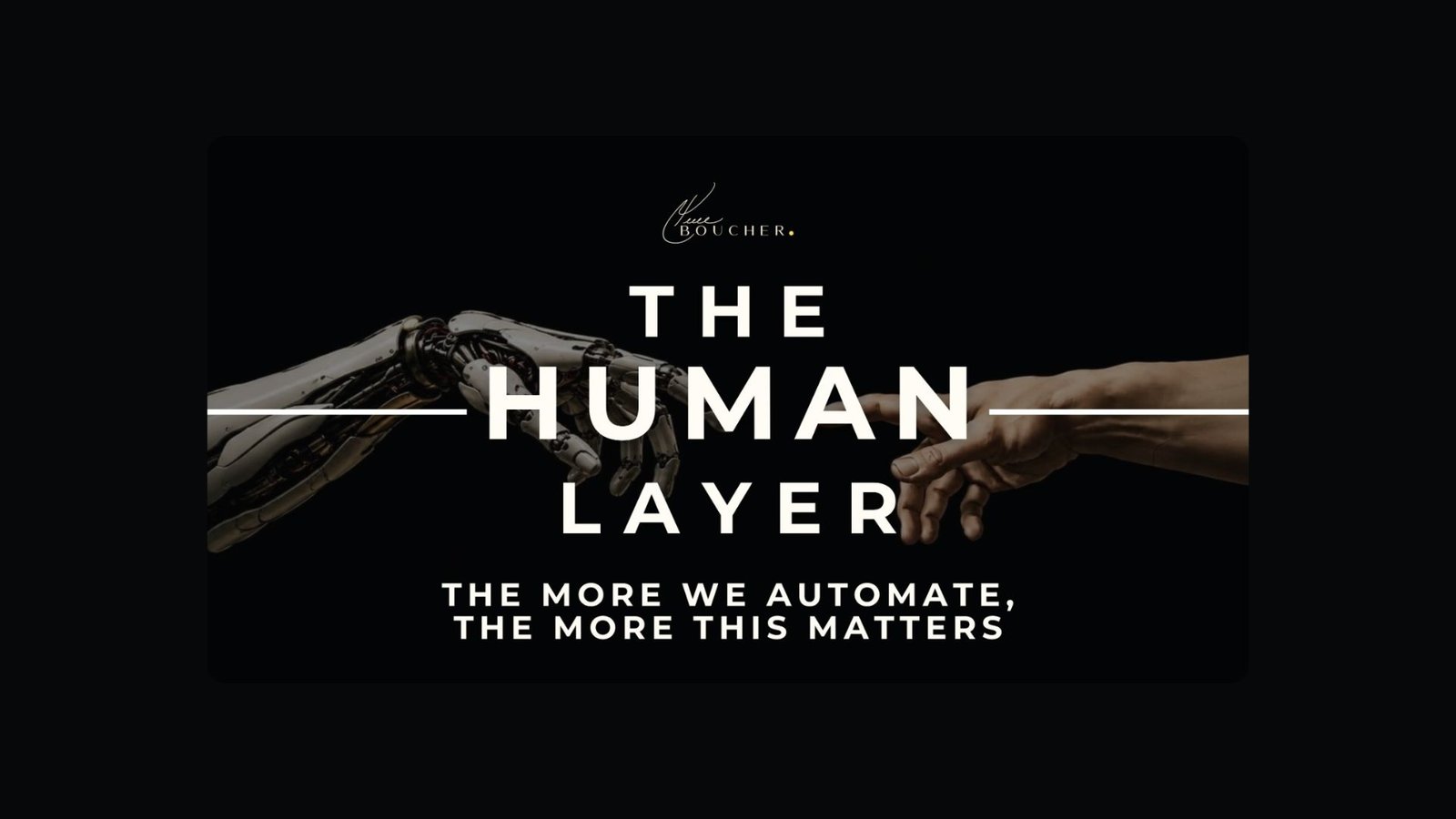
The more we automate, the more this matters.
The Skill I Thought Technology Would Make Less Important
The tools we use at work have changed dramatically. We have more information than we know what to do with, and decisions that used to take a week now take an afternoon. A lot of that has been good.
But I’ve also watched something else happen. The better our tools get, the easier it is to believe everything important is already sitting on the screen in front of us.
All too often, I get lulled into plowing through information, whether it’s a report or something I’m reading for leisure. With that much coming at me, I want to move on to the next thing instead of processing what I just took in, much less questioning it.
I’m working to be more careful with that. Sometimes the information that changes a decision only shows up in the conversation after you’ve read the report.
When the numbers look fine
I’ve been in enough organizations to recognize the pattern. The dashboard says the process is working. Response times are down and satisfaction is up.
Then you talk to the person living inside that process, and you get a different story. A customer keeps getting dropped, or taps out, during the same handoff. An employee quit after raising a problem months ago, because nothing changed the last time they did.
That employee is where turnover starts. Take a cold, objective look at your turnover numbers; they say more about your culture than almost anything else on the dashboard. Nobody wakes up one morning and decides, “I’m going to quit my job today.” It’s a slow unwinding that ends in resignation, literal and figurative.
None of that means the data was wrong. It means the data was never the whole story.
Listening for the pause
Some of the most useful things I’ve learned came in moments that were all too easy to miss. A pause or hesitation before someone answers the question. An “everything’s fine” that comes a beat too fast, followed by a quick change of the subject.
Nobody’s built a metric for that moment yet. Somebody probably will, but a person would still have to understand what it means.
That’s where being present comes in. You have to be paying close attention to catch the pause at all. Then you need the nerve to ask, “Are you sure?”
The tools are getting better
I’m not making the case against technology. Quite the opposite.
AI can find a pattern in seconds that would take a person hours to dig out. It’ll boil down a mountain of reading and take work off our plates that never needed a human. That’s progress.
Processing information and understanding a situation are two different jobs, though, and the gap between them will only widen as the technology improves. If AI can hand us an answer in seconds, our advantage comes from knowing whether we asked the right question in the first place.
What I’ve come to value
Earlier in my career, I’d probably have said the skill I valued most was listening. Now I’d call it paying attention. That means catching what people leave out as well as what they say, and getting close enough to the experience that you have a better understanding of what the report is presenting.
Some days that mean calling a customer or sitting with an employee. I’ve also learned a lot by going through the process the way a customer would myself, and noticing where I get stuck.
Technology helps us see more. Understanding what we’re seeing is still our job, and it becomes more valuable each day.
One thing to try
The next time a report says everything’s fine, don’t move on right away. Find one person who lives with that process and ask them their thoughts. Then listen without defending the system.
You may not discover that the numbers are wrong. You may discover something more useful:
What the numbers were never telling you. Let’s put people back at the center of the decisions we make.
Live Deliberately,